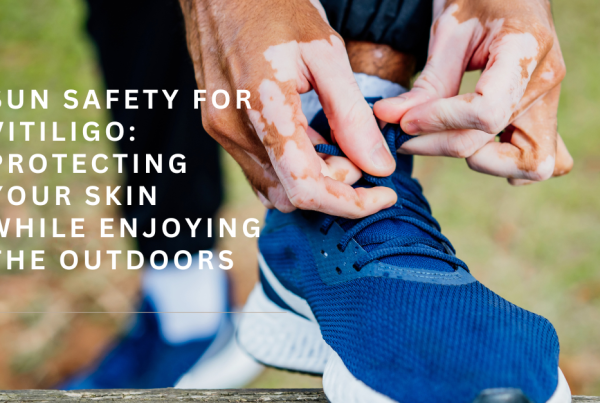

Vitiligo is more than a skin condition—it’s a journey that touches every aspect of a person’s life. While the visible changes in skin pigmentation are the most apparent, the invisible impact of stress on vitiligo is equally significant and often overlooked. Understanding the connection between stress and vitiligo, and learning how to manage it, can empower those living with this condition to improve both their skin health and overall well-being.
The Link Between Stress and Vitiligo
Stress is not just a feeling; it triggers a complex cascade of biological responses in the body. For people with vitiligo, stress can play a dual role:
-
Triggering Onset or Progression: Research suggests that psychological stress may contribute to the onset or worsening of vitiligo patches. Stress activates the body’s immune response, which can exacerbate the autoimmune processes believed to underlie vitiligo1.
-
Impacting Quality of Life: The Global VALIANT Study, as highlighted by Beyond Vitiligo, found that individuals with vitiligo often experience a significant mental health and psychosocial burden. Feelings of anxiety, depression, and social isolation are common, and stress can intensify these emotions, creating a cycle that is hard to break1.
How Stress Manifests in Vitiligo Patients
-
Increased visibility of patches may lead to self-consciousness and social withdrawal.
-
Emotional distress can worsen the perception of the condition, leading to higher reported levels of anxiety and depression.
-
Chronic stress may interfere with treatment adherence and self-care routines.
Ways to Manage Stress with Vitiligo
Managing stress is not just about feeling better emotionally—it can also support better skin health and potentially slow the progression of vitiligo. Here are practical strategies:
-
Build a Support Network: Connecting with others who understand vitiligo, whether through support groups or online communities, can reduce feelings of isolation and provide valuable coping tips1.
-
Practice Mindfulness and Relaxation: Techniques such as meditation, yoga, and deep breathing exercises help calm the mind and reduce the body’s stress response.
-
Seek Professional Help: Consulting a mental health professional can provide tools to manage anxiety, depression, and stress. Cognitive-behavioral therapy (CBT) has been shown to be effective for many people dealing with chronic conditions.
-
Stay Active: Regular physical activity is a proven stress reliever. It also boosts mood and overall health.
-
Educate Yourself and Others: Understanding vitiligo and educating friends and family can reduce stigma and foster a more supportive environment.
-
Establish Healthy Routines: Prioritizing sleep, balanced nutrition, and self-care can improve resilience to stress.
Stress and vitiligo are closely linked, with each influencing the other in powerful ways. By acknowledging the psychological impact of vitiligo and adopting effective stress management strategies, individuals can improve their quality of life and potentially their skin health as well.