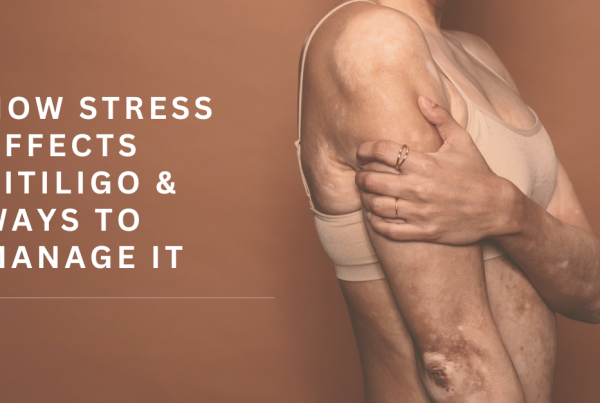

What is vitiligo?
Vitiligo, an autoimmune condition that leads to the loss of skin pigmentation, is not just a physical ailment; it poses significant psychological challenges, particularly for teenagers. In South Africa, where cultural perceptions can heavily influence self-image, the emotional toll of vitiligo can be profound. This article discusses the mental health and self-esteem implications of vitiligo for South African teens and offers guidance on how to provide effective support.
The Psychological Impact
The emotional effects of vitiligo can be particularly severe during adolescence, a critical period for identity formation. Research indicates that individuals with vitiligo often experience low self-esteem, anxiety, and depression due to their visible skin changes. A study published in the South African Medical Journal highlights that vitiligo significantly impacts the quality of life (QoL) of affected individuals, with many reporting feelings of social isolation and stigmatization resulting from their condition1.
In South Africa, where societal norms and beauty standards can be rigid, teenagers with vitiligo may face additional pressures. Cultural beliefs surrounding skin colour and appearance can lead to bullying and discrimination, further exacerbating mental health issues. The South African context adds layers of complexity to the experience of living with vitiligo, making it essential to address these challenges with sensitivity and understanding.
Supporting Teens with Self-esteem and Vitiligo
To effectively support South African teens struggling with self-esteem due to vitiligo, consider the following strategies:
-
: Create an environment where teens feel safe discussing their feelings about their condition. Active listening and validation are crucial.
-
: Provide information about vitiligo to help dispel myths and reduce stigma. Understanding that it is a medical condition can foster empathy among peers.
-
: Encourage teens to seek support from mental health professionals who specialize in adolescent issues. Organizations like Beyond Vitiligo offer resources and support for individuals affected by this condition.
-
: Facilitate connections with others who have vitiligo through support groups or online platforms. Sharing experiences can help reduce feelings of isolation.
-
: Help teens identify and counter negative thoughts about their appearance. Focus on their strengths and positive attributes.
-
: Promote activities such as sports, arts, or mindfulness practices that can improve overall well-being and self-esteem.
-
: Take immediate action against any bullying behavior. Schools should implement anti-bullying policies that specifically address discrimination based on appearance.
How Beyond Vitiligo helping teens struggling with self-esteem and vitiligo
Founded by Gaone Matewa, Beyond Vitiligo is a South African organization dedicated to raising awareness about vitiligo and supporting those affected by it. The organization provides educational resources, organizes community outreach programs, and fosters a supportive network for individuals living with vitiligo. Gaone’s personal journey has inspired many; her commitment to advocacy highlights the importance of community support in promoting mental well-being among teens facing similar challenges.
Conclusion
Supporting teenagers living with vitiligo in South Africa requires a multifaceted approach that addresses both psychological needs and societal perceptions. By fostering open communication, providing education, connecting individuals with mental health resources, and promoting supportive communities like Beyond Vitiligo, we can empower young people to embrace their identities and build resilience in the face of adversity. As we work towards greater understanding and acceptance of vitiligo within society, we pave the way for healthier self-esteem among affected teens.
Citations:
- http://www.scielo.org.za/scielo.php?script=sci_arttext&pid=S0256-95742013001200039
- https://pmc.ncbi.nlm.nih.gov/articles/PMC10831562/
- https://journals.co.za/doi/10.10520/AJA20785135_35939
- https://www.ajol.info/index.php/samj/article/view/173041
- https://wiredspace.wits.ac.za/items/31daa928-19b9-4183-bc6b-0ec5cf7f4d67
- https://www.beyondvitiligo.org/category/vitiligo-medical-journals/
- https://www.ajol.info/index.php/samj/article/view/98355
- https://journals.co.za/doi/pdf/10.10520/AJA20785135_29887