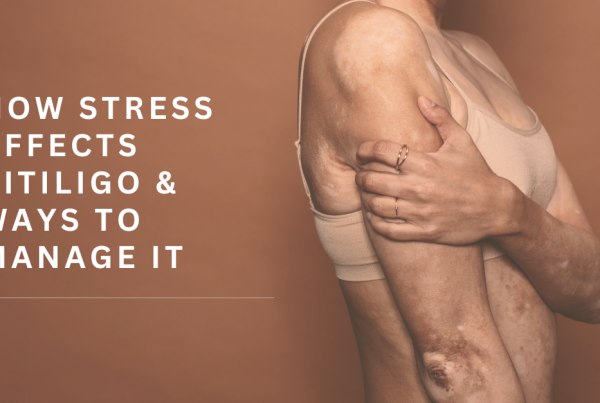

Sun safety is crucial for people living with vitiligo, especially in sunny regions like South Africa, where UV exposure can be intense. Vitiligo causes loss of pigment in patches of skin, making these areas more vulnerable to sunburn and damage from ultraviolet radiation. Protecting the skin from the sun helps prevent burns, reduces the risk of worsening depigmentation, and supports overall skin health while still allowing enjoyment of outdoor activities.
Why Sun Protection Matters in Vitiligo
Vitiligo causes depigmented skin patches with little or no melanin, reducing natural protection against UV rays. This makes affected areas prone to sunburn, irritation, and, in some cases, skin trauma, which can worsen vitiligo or trigger new patches. Consistent sun protection with high-SPF sunscreen and sun-safe behaviours are essential to minimise UV damage and skin discomfort. This importance is especially relevant in South Africa’s sunny climat,e where UV index levels are often high.
Recommended Sun Safety Practices
-
Use broad-spectrum sunscreen with an SPF of 30 or higher, applied generously to exposed skin at least 15 minutes before going outdoors and reapplied every two hours or after swimming or sweating. Sunscreens that protect against both UVA and UVB rays and are water-resistant are best.
-
Wear protective clothing such as long sleeves, wide-brimmed hats, and UV-protective sunglasses to further block harmful rays. Clothes labeled with ultraviolet protection factor (UPF) offer enhanced defence.
-
Seek shade whenever possible, especially during peak sun hours between 10 a.m. and 4 p.m., to avoid intense UV exposure.
-
Avoid tanning beds or sunlamps, which can damage the skin and aggravate vitiligo patches.
Insights
Beyond Vitiligo, a South African nonprofit advocating for vitiligo awareness and support, emphasises sun safety as a daily practice for those living with the condition. Chief Advocacy Officer Gaone Matewa, who also writes in medical journals, advocates for holistic protective measures combining sunscreen, clothing, and behavioural adjustments to maintain skin health. South African medical journals reinforce this guidance, highlighting that sunburn is a common risk for vitiligo patients and proper protection reduces skin damage and improves quality of life.
By integrating these sun safety practices, individuals with vitiligo can confidently enjoy the outdoors while safeguarding their skin from UV-related harm. Raising awareness about these measures remains a core mission of Beyond Vitiligo to empower people living with vitiligo across South Africa.