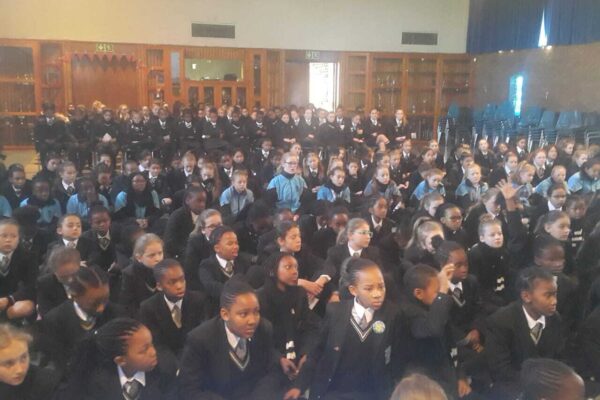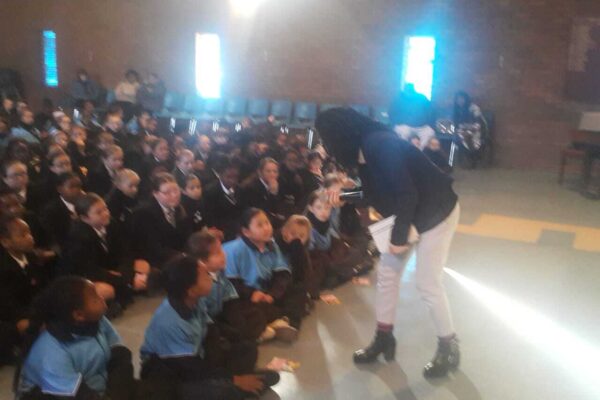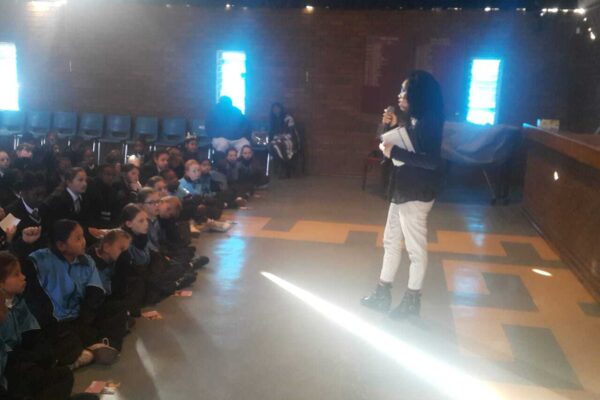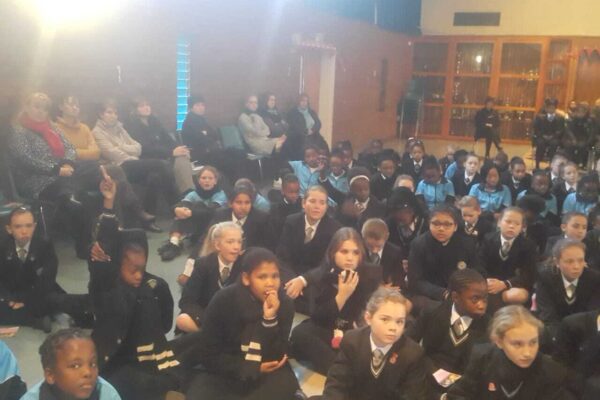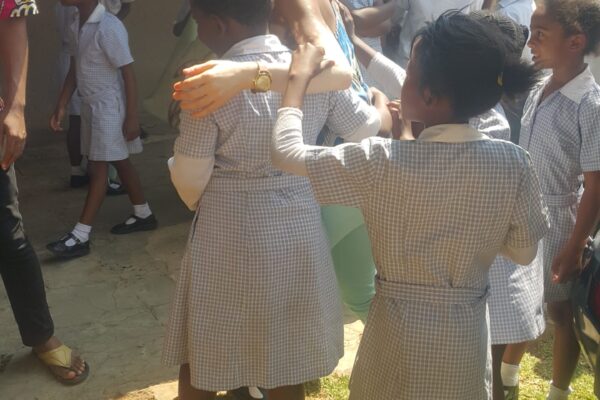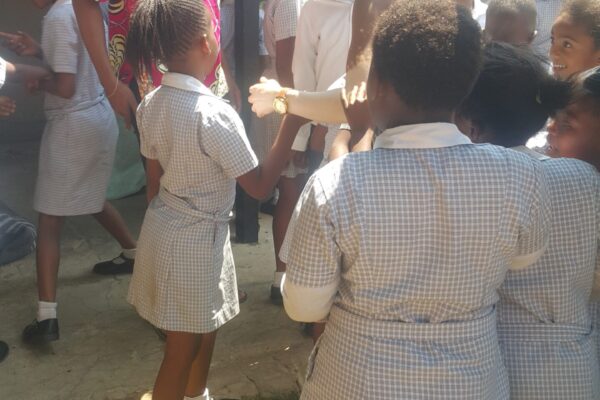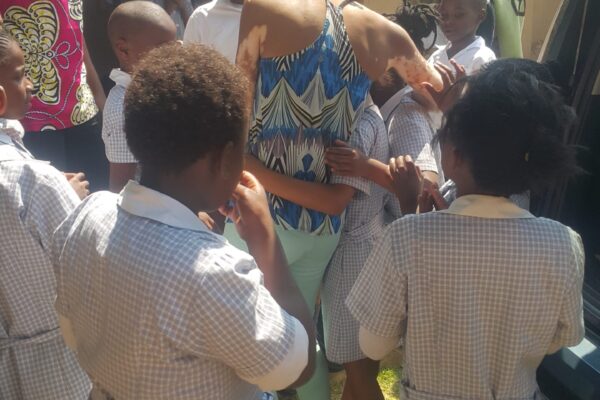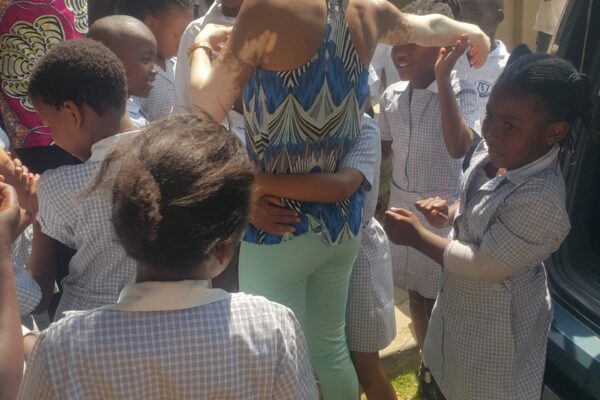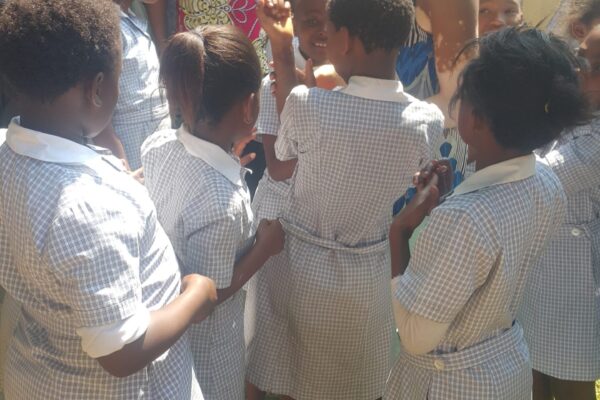

Beyond Vitiligo has embarked on an anti-bullying campaign for children living with vitiligo. Gaone initiated this campaign due to the experience she had as a child who lived with vitiligo being called all sorts of names. She believes that child empowerment is very important and the culture will live within them.
Over the years Gaone has visited a couple of schools educating kids about vitiligo and anti-bullying campaigns. We currently have BV kids members living with vitiligo and they have been attending most of our events creating awareness on vitiligo.
This guide was adapted from www.vitiligosociety.org.uk. This guide aims to help you explain what vitiligo is to your pupils and support any children in your school who have vitiligo. As education professionals, you have a very important role in making sure that children with vitiligo are fully included in the school and are given any support that they need.
However, they are likely to have similar problems and face similar challenges in school as a result of having vitiligo. The main problem that children with vitiligo have to face in school is the reaction of other pupils to their appearance. Once children become aware of visual differences, they are likely to stare, make comments, and ask questions about anyone who looks different. Without the intervention from school staff, this kind of attention can become distressing for children with vitiligo. It may develop into bullying, impacting the children’s psychological well-being.
Giving pupils the basic facts about vitiligo should mean that they do not have to ask questions of the children with the condition. It should also reduce incidents of bullying if pupils have more understanding of the impact that vitiligo can have.